What Does a Closing Attorney Do for the Buyer?
The day you get the keys to your new home is the culmination of weeks, or even months, of hard work. While closing day feels like the main event, most of the critical work to secure your purchase happens long before you ever reach the signing table. Your closing attorney is the one working diligently behind the scenes, coordinating all the moving parts to ensure a smooth and secure transaction. Many buyers ask, what does a closing attorney do for the buyer in the weeks leading up to the closing? They are meticulously investigating the property’s legal history, preparing and reviewing all documents, and resolving any potential problems before they can derail your purchase.
Key Takeaways
- Protect your investment with a legal expert: A closing attorney’s main job is to verify the property’s title is clear and manage all legal aspects of the sale, preventing costly surprises after you move in.
- An attorney’s work extends far beyond the closing table: They handle crucial preparations like title searches beforehand, guide you through signing and fund transfers during the meeting, and file official records like the deed afterward.
- Hire an attorney with specific Florida real estate experience: Look for a specialist who communicates clearly, knows the local market, and provides a transparent fee structure to ensure you have a true advocate on your side.
What Is a Closing Attorney and Why Do I Need One?
Buying a home is one of the biggest financial decisions you’ll ever make. With so much on the line, you want an expert in your corner to make sure every detail is handled correctly. That’s where a closing attorney comes in. A closing attorney is a lawyer who specializes in real estate transactions. Their main job is to facilitate the closing process, ensuring the property ownership is transferred legally and that your interests are protected from start to finish.
Think of them as your personal legal guide through the final, most critical stages of buying a property. While your real estate agent helps you find the perfect home and negotiate a great price, your closing attorney focuses on the legal integrity of the transaction. They manage the complex paperwork, coordinate with all parties involved, and make sure the deal closes without any hidden problems that could cost you down the road. Having one on your team provides peace of mind, knowing a legal professional is looking out for you.
How They Protect Your Investment
A closing attorney’s primary role is to safeguard your investment. They do this by meticulously reviewing every aspect of the transaction to ensure its legality and fairness. One of their most important tasks is conducting a title search to confirm that the seller has the legal right to sell the property and that there are no outstanding liens, claims, or encumbrances that could affect your ownership. They will also review the purchase agreement, loan documents, and other contracts to identify any unfavorable terms or potential risks. By handling these critical details, a real estate attorney ensures you receive a clear title and a property free from future legal disputes.
Meeting Florida’s Legal Requirements
While Florida does not legally require a buyer to hire an attorney for a real estate closing, it’s a highly recommended step. A title company can facilitate the closing, but its representatives cannot provide legal advice. If a complex legal issue arises, a title agent is not qualified to resolve it. Florida’s real estate laws are intricate, and an attorney can interpret contracts, explain your rights and obligations, and offer guidance if a dispute occurs. Hiring an attorney from a firm with diverse practice areas ensures that you are not just meeting procedural requirements but are also fully compliant with state law, protecting you from potential liabilities long after you get the keys.
Closing Attorney vs. Real Estate Agent: Key Differences
It’s easy to confuse the roles of a real estate agent and a closing attorney, but they serve very different functions. Your real estate agent is your advocate in the market; they help you find a property, negotiate the price, and manage the offer process. Their expertise is in the property itself and the terms of the sale. A closing attorney, on the other hand, is your legal advocate. Their focus is on the legality of the transaction. They ensure all documents are accurate, the title is clear, and the transfer of ownership complies with the law. While both professionals work to protect your interests, the attorneys on your team are the only ones qualified to handle the legal complexities of the deal.
What Does a Closing Attorney Do Before Closing Day?
While the closing itself feels like the main event, most of your attorney’s critical work happens long before you sit down to sign the final papers. In the weeks leading up to your closing day, your attorney is working behind the scenes to make sure your transaction is secure, smooth, and free of any unwelcome surprises. Think of them as the director of a play, coordinating every detail so the final performance goes off without a hitch. This preparatory work is what truly protects your investment and ensures a clean transfer of property.
Conduct a Thorough Title Search
One of the first and most important tasks your attorney handles is a deep dive into the property’s history. This is called a title search. They will meticulously examine public records, sometimes going back 30 years or more, to confirm the seller legally owns the property and has the right to sell it to you. They are looking for any hidden issues that could affect your ownership, such as old debts or liens against the property, unresolved legal claims, or restrictions on how you can use the land. This step is essential for a clear title and is a cornerstone of sound real estate law.
Prepare and Review All Documents
A real estate transaction involves a mountain of paperwork, and it’s your attorney’s job to manage it all. They will prepare and review all the essential legal documents to ensure they are accurate and protect your interests. This includes drafting the new deed, which is the official document that transfers ownership to you, and preparing the settlement statement (often called the Closing Disclosure), which itemizes all the costs involved for both the buyer and seller. Having an expert prepare these documents prevents errors that could cause major headaches down the road.
Coordinate with Lenders and Agents
Your closing attorney acts as the central point of communication for everyone involved in the transaction. They coordinate with your mortgage lender to ensure the loan documents are in order, work with the real estate agents to keep the process on schedule, and communicate with the seller’s attorney to resolve any outstanding items. This constant communication is key to keeping things moving forward smoothly. By managing all these moving parts, your attorney ensures that everyone has what they need for a successful and timely closing, keeping the lines of communication open and the process on track.
Identify and Resolve Potential Problems
Ideally, a title search comes back clean and the process is straightforward. But sometimes, issues pop up. Your attorney is trained to spot potential problems, from simple clerical errors in old deeds to more complex title defects that could jeopardize the sale. For example, they might discover an old lien from a contractor who was never paid or find a boundary line that is unclear. Instead of letting these issues derail your purchase, your attorney works to resolve them ahead of time. This proactive problem-solving is one of the most valuable services a closing attorney provides.
What Happens at the Closing Table?
Closing day is the finish line of your home-buying journey, and the closing table is where everything becomes official. It can feel like a whirlwind of paperwork and signatures, but with a closing attorney by your side, it’s a well-managed process. Your attorney shifts from a behind-the-scenes preparer to your live-action guide, ensuring every step is handled correctly and in your best interest. Their primary role is to facilitate a smooth and legally sound transfer of ownership.
On closing day, your attorney orchestrates the entire meeting. They will walk you through the stack of documents waiting for your signature, making sure you understand what each one means before you sign. They also manage the critical exchange of funds, confirming that money moves exactly where it needs to go. From overseeing the final signatures to ensuring the transaction complies with all state and local regulations, your attorney is the final checkpoint, protecting you from any last-minute issues. They are there to answer your questions, clarify confusing terms, and give you the confidence that your investment is secure.
Explain the Documents You’re Signing
One of the most important jobs your attorney has at the closing table is to translate complex legal documents into plain English. You’ll be faced with a pile of papers, and your attorney will guide you through each one. This includes your final financial statement, often called the Closing Disclosure, which itemizes all the costs involved. They’ll also review the loan documents from your lender, the deed that officially transfers ownership to you, and any other necessary reports. Their goal is to ensure you have a clear understanding of your rights and obligations before you commit your signature.
Oversee Signatures and Fund Transfers
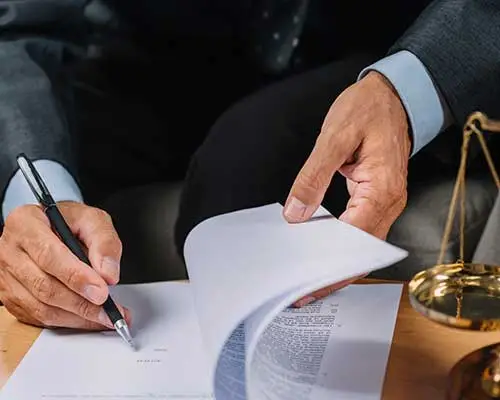
Once you understand the paperwork, it’s time to sign. Your closing attorney will direct you and the seller on where to sign and initial, acting as an official witness to the agreement. This step makes the transaction legally binding. It’s often the moment when the seller hands over the keys, which is a tangible and exciting symbol of your new ownership. The attorney’s presence ensures that this crucial part of the process is executed properly, leaving no room for error or future disputes about the validity of the documents.
Manage the Disbursement of Funds
A lot of money changes hands during a real estate closing, and your attorney is responsible for making sure it all goes to the right place. They act as a neutral third party, managing the funds from the buyer and the lender. After all the documents are signed, your attorney will disburse the money. This includes paying the seller, paying off any of the seller’s existing mortgages, and settling costs with other parties like real estate agents or inspectors. This careful management protects your funds and ensures everyone involved in the transaction is paid correctly and on time.
Ensure Full Legal Compliance
Throughout the entire closing process, your attorney’s top priority is making sure the transaction is fully compliant with the law. They verify that every document, signature, and financial transfer adheres to Florida’s specific real estate laws and local regulations. This legal oversight is what truly protects your investment. It guarantees that the title is transferred to you free and clear and that the sale is legally sound. This final check provides peace of mind, knowing your new property is officially and securely yours without any hidden legal complications.
What Are an Attorney’s Post-Closing Duties?
You’ve signed the last document, the keys are in your hand, and you’re officially a homeowner. Congratulations! But while you’re planning where to put the sofa, your closing attorney’s work is still going on behind the scenes. Their job doesn’t end at the closing table. In fact, the post-closing period involves some of the most critical administrative tasks that officially transfer ownership and protect your investment for years to come.
Think of your attorney as the director of the final act. They are responsible for tying up all the loose ends to ensure the transaction is legally sound and properly documented. This includes everything from officially recording your ownership with the county to making sure every party gets the final paperwork they need. These steps are essential for a clean transfer of title and prevent future headaches. Without this careful follow-through, you could face unexpected legal challenges down the road. An experienced attorney handles these details meticulously, giving you peace of mind and a clear path to enjoying your new property. This is a core part of our firm’s real estate law services.
Record the Deed and Official Documents
After you sign everything, the documents don’t just go into a file cabinet. Your attorney takes the signed deed and other essential paperwork to the county records office to be officially filed. This process, known as “recording,” is what makes your ownership a matter of public record. It’s the definitive legal step that tells the world this property is now yours. By recording the deed, your attorney ensures that your claim to the property is legally recognized and protected against claims from others. It’s the final, official stamp on your home purchase.
Distribute Final Paperwork
Once the closing is complete and the documents are recorded, your attorney acts as the central hub for distributing all the final paperwork. They will make sure the original recorded deed is sent directly to you, the new owner. This is your official proof of ownership, so it’s a document you’ll want to keep in a safe place. At the same time, they will send the necessary mortgage documents, like the deed of trust, to your lender. This ensures all parties have the correct, legally binding paperwork for their records, closing the loop on the transaction for everyone involved.
Finalize Your Title Insurance Policy
Your title insurance is a vital safety net, and your attorney plays a key role in making sure it’s properly activated. After the deed is recorded, the attorney prepares a “final title opinion” for the title insurance company. This document confirms that the new deed and mortgage have been filed correctly and that any of the seller’s old loans have been fully paid off. This confirmation is what the insurance company needs to issue your final title insurance policy, which protects you from any hidden claims or issues with the property’s title that may have existed before you bought it.
Address Any Lingering Issues
Even with the most careful planning, unexpected issues can sometimes surface after closing. You might discover an error in the property’s legal description or a previously unknown lien. If a problem arises, your closing attorney is your first line of defense. They can help investigate the issue, communicate with the title company, and work to resolve any title defects that could cloud your ownership. Having a dedicated legal professional on your side to handle these post-closing surprises is invaluable for securing your property rights. If you find yourself facing a post-closing problem, don’t hesitate to contact an attorney for guidance.
How to Choose the Right Closing Attorney
Finding the right closing attorney is one of the most important steps you’ll take on your home-buying journey. This isn’t just about hiring someone to sign papers; it’s about choosing a partner who will protect your interests in a major financial transaction. The right attorney acts as your advocate, your guide, and your safety net, ensuring every detail is handled correctly from the title search to the final signature. They are the ones who will spot red flags in the title history, clarify confusing clauses in the loan documents, and make sure your ownership is legally sound. Your decision should consider several factors, from the attorney’s experience and reputation to their communication skills and fee structure. Taking the time to find a great fit ensures you have an expert in your corner, making the entire process feel much smoother and more secure. A good attorney doesn’t just facilitate the transaction; they provide peace of mind. They answer your questions, address your concerns, and ensure you walk away from the closing table confident in your purchase. This is especially true in a state like Florida, where real estate laws have their own unique complexities. Here are the key qualities to look for to help you make a confident choice.
Look for Florida Real Estate Law Experience
When you’re buying property in Florida, you need an attorney who specializes in Florida real estate law. Real estate regulations can vary significantly from state to state, and even from county to county. A strong track record in local real estate transactions is crucial. An experienced attorney understands the specific nuances of Florida contracts, title insurance, and property regulations. They’ve seen it all before and can anticipate potential issues before they become serious problems. Look for a firm that clearly highlights real estate as a core part of its practice. This ensures they have the dedicated knowledge to handle your closing correctly and protect your investment from state-specific legal hurdles.
Prioritize Clear Communication
The closing process involves a lot of moving parts, tight deadlines, and complex legal documents. The last thing you want is an attorney who is hard to reach or who speaks only in legal jargon. Accessibility, organization, and solid communication skills are key. Your attorney should be responsive to your questions and proactive about keeping you updated. They should be able to explain contracts and other documents in a way that you can actually understand. If you can’t reach them easily during the initial consultation phase, it could signal problems down the road. Find someone you feel comfortable talking to and who makes you feel like a priority.
Confirm Their Local Market Knowledge
Beyond general state law, it’s incredibly helpful to choose an attorney with expert knowledge of the specific area where you’re buying. An attorney who frequently handles closings in Orlando will be familiar with local ordinances, common title issues, and the area’s real estate market dynamics. This local insight can help you avoid potential pitfalls unique to that community. They often have established relationships with local real estate agents, lenders, and inspectors, which can help streamline communication and resolve issues more efficiently. This insider knowledge provides an extra layer of protection for your investment and can make a significant difference in how smoothly your closing proceeds.
Understand Their Fee Structure
Before you commit, make sure you have a clear understanding of the attorney’s fees. Most closing attorneys charge a flat fee for their services, but you should always ask for a detailed breakdown of what that fee includes. Inquire about other potential costs, such as title search fees, courier charges, or document recording fees, to avoid any surprises at the closing table. While cost is a factor, it shouldn’t be the only one. The cheapest option isn’t always the best. It’s better to pay a fair price for an experienced, communicative attorney who can ensure a smooth closing. Don’t hesitate to ask for a quote in writing.
Related Articles
- Who Hires the Closing Attorney: Buyer or Seller?
- Cost of a Real Estate Attorney for Closing Explained
- When to Hire a Real Estate Attorney (And Why)
- How Much Are Real Estate Attorney Fees for Closing?
Frequently Asked Questions
Is hiring a closing attorney in Florida mandatory? No, Florida law doesn’t require you to hire an attorney for a real estate closing. However, it’s a very smart move. A title company can handle the paperwork, but its representatives cannot give you legal advice. If a problem comes up, like a title issue or a confusing contract term, a title agent isn’t qualified to help you solve it. An attorney is your legal advocate, there to protect your interests and provide guidance when you need it most.
What’s the real difference between using a title company and an attorney for closing? Think of it this way: a title company is a neutral administrator, while an attorney is your personal advocate. The title company’s main job is to facilitate the transaction and issue title insurance. An attorney does that too, but they also provide legal advice, review contracts to protect you, and can step in to resolve legal disputes. They work exclusively for you, ensuring your rights are protected throughout the entire process.
When in the home-buying process should I find a closing attorney? It’s best to start looking for a closing attorney as soon as you have a signed purchase agreement. The earlier you bring them on board, the more they can help. They can review the contract before it’s finalized and get a head start on the title search. This gives them plenty of time to identify and fix any potential problems well before your closing day arrives.
How are closing attorney fees usually structured? Most closing attorneys in Florida charge a flat fee for their services in a standard real estate transaction. This fee typically covers all their work, from the initial document review and title search to conducting the closing itself and handling post-closing tasks. Always ask for a written quote that details exactly what is included so you know what to expect and can avoid any surprise costs.
My real estate agent recommended an attorney. Should I just go with them? Getting a recommendation from your agent is a great starting point, as they often work with experienced professionals. However, it’s still important to do your own research. Take a few minutes to look up the recommended attorney online, read their reviews, and maybe even have a quick phone call with them. You want to make sure you feel comfortable with them and confident that they will represent your best interests, not just the interests of the deal.