


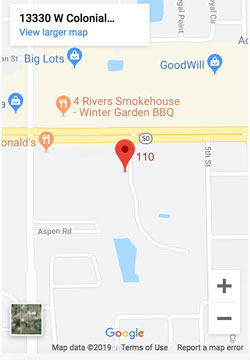
Main Office
13330 W Colonial Drive Suite 110, Winter Garden, FL 34787
Phone: (407) 982-4321
Falling behind on a mortgage is frightening, and the letters and calls only make it worse. Our Orlando foreclosure lawyers at Legal Counsel, P.A. review your options, deal with the lender, and defend you in court if the lender files.
The temptation when payments slip is to stop opening the mail. Please don’t. Florida is a judicial foreclosure state, which means a lender has to file a lawsuit and win a final judgment of foreclosure before your property can be sold. That legal process gives you time and defenses, but only if you use them. Once you’re served, you generally have just 20 days to file a response with the court, and missing that deadline can lead to a default.
Legal Counsel, P.A. represents homeowners facing residential foreclosure and business owners facing commercial foreclosure. A foreclosure lawyer Orlando clients work with at our firm may be able to help by:
Call Legal Counsel, P.A. at 407-982-4321 for a free consultation with an Orlando
foreclosure lawyer. The earlier you call, the more options you’re likely to have.
For most home loans, federal rules bar a mortgage servicer from making the first foreclosure filing until the borrower is more than 120 days behind. That window is the best time to talk to a lawyer, because it’s when loan modification, forbearance and repayment options are easiest to negotiate. You’ll usually receive default letters and a notice of intent to accelerate the loan during this period.
The lender starts the case by filing a complaint in circuit court. In Orange County, that’s the Ninth Judicial Circuit at the Orange County Courthouse on North Orange Avenue. For a residential mortgage, Florida law requires the lender to show it actually holds the original note or is otherwise entitled to enforce it, and to file the original note (or prove the terms of a lost note) before a judgment is entered. Whether the lender can prove that is one of the first things we check.
Once you’re served, you have 20 days to respond. Your answer can raise defenses such as improper notice of default, payments that weren’t credited, a lender that can’t prove its standing, or a claim filed after Florida’s five-year statute of limitations.
If the lender wins, the court enters a final judgment of foreclosure and sets a sale date. Orange County foreclosure sales are held online through the Clerk of Court. Until the clerk files the certificate of sale (or a later time set in the judgment), you still have the right of redemption, meaning you can stop the sale by paying the full judgment amount.
If the property sells for more than the judgment, the extra money is surplus funds. The owner of record is presumed entitled to the surplus after any subordinate lienholders who file timely claims, and unclaimed surplus is eventually turned over to the state. Be careful with companies that offer to “recover” your surplus for a large cut; Florida caps what they can take. For a one- to four-family home, a lender that wants a deficiency judgment for any shortfall generally has one year to pursue it.
Every case is different, but these are the defenses and options we look at most often:
Sometimes the best outcome is a controlled exit rather than a judgment. You can generally sell the property at any point before the foreclosure sale. If you owe more than it’s worth, a short sale lets the lender accept less than the full balance. A deed in lieu of foreclosure transfers the property to the lender in exchange for cancelling the mortgage, though it may not be available if there are other liens. We negotiate these alternatives with an eye on any remaining debt and push for a deficiency waiver, so you’re less likely to face a deficiency judgment later.
Bankruptcy is another option some homeowners consider. Filing a Chapter 13 petition triggers an automatic stay that pauses the foreclosure, though it isn’t right for everyone. When a bankruptcy filing may make sense, we coordinate the foreclosure defense with bankruptcy counsel.
Commercial borrowers face different pressures: a maturing balloon loan, a personal guaranty, or a tenant problem that cut off income. Commercial borrowers often have fewer statutory protections than homeowners, but the lender still has to prove its case in court. We negotiate with lenders for loan workouts, extensions and time to refinance, and we defend the lawsuit when negotiation fails.
Michele Diglio-Benkiran founded the firm and has practiced business and real estate law since 1999, so our Orlando foreclosure defense work starts with a clear read of the mortgage, the note and the title. Richard Sierra is a commercial litigation and bankruptcy lawyer with more than three decades of experience, admitted in Florida’s Middle and Northern District federal courts. When the answer involves litigation, he’s already on the team.
Results matter, and so does honesty about your options. We won’t promise to save every property, but we’ll tell you where you stand, advocate for you with the lender, and work to protect your rights at every step. We offer a free consultation, and pay later options are available for qualifying clients.
We represent homeowners and property owners throughout Orange County and Central Florida from our Winter Garden, Orlando and Seminole offices. Foreclosure cases on property in Orange County are filed in the Ninth Judicial Circuit and heard at the Orange County Courthouse, 425 N. Orange Avenue in downtown Orlando. Foreclosure defense is one part of our Orlando law firm; when an association is foreclosing its lien, our Orlando HOA attorneys can help, and our Orlando real estate attorneys handle the title and sale questions that come with it.
A foreclosure defense attorney Orlando homeowners can meet with in person or by
video will review it with you and explain the deadlines. The first consultation is free.
Sometimes. A foreclosure lawyer can raise defenses that defeat or delay the lender’s case, negotiate a modification or forbearance that ends it, or arrange a sale or short sale before the auction. A bankruptcy filing can also pause the case. The earlier you act, the more of these options are open.
It depends on the stage of the case and what you need. Negotiating with a lender costs less than defending a lawsuit through trial. We’ll explain the fee at your free consultation, and pay later options are available for qualifying clients.
There’s no fixed timeline. An uncontested case moves faster than one where the homeowner raises defenses, and the court’s calendar matters too. What’s fixed are the early deadlines: 20 days to respond once you’re served, and your right of redemption, which ends when the clerk files the certificate of sale (or a later time set in the judgment).
Yes. You can generally sell the property until the foreclosure sale, and if you owe more than it’s worth, a short sale may be possible with the lender’s approval. Selling can protect your credit and any equity you have.
Contact your servicer early, ask about loss mitigation, and keep copies of everything you send and receive. Apply for a modification or forbearance if your hardship is temporary, and talk to a foreclosure lawyer before you sign anything the lender offers.
If the property sells at auction for more than the judgment amount, the extra money is surplus. The owner of record is presumed entitled to it after timely claims by subordinate lienholders. Florida limits what a surplus recovery company can charge, so read any offer carefully.
The lender can ask the court for a default, and a final judgment and sale date can follow without you having a say. Filing a timely response keeps your defenses and your negotiating position alive.
Possibly. If the sale doesn’t cover the debt, the lender may seek a deficiency judgment. For a one- to four-family residence, Florida generally gives the lender one year to do so. Negotiating a waiver of the deficiency is often part of a short sale or deed in lieu.
Yes. Financial distress rarely fixes itself, and a foreclosure attorney can use the time before a lawsuit to negotiate a modification, forbearance or repayment plan. Get legal advice before you sign anything the servicer sends.
Look for foreclosure defense lawyers in Orlando who handle these cases regularly, explain your options honestly, and can also advise on the real estate and litigation questions that come with it. We’re glad to review your situation at a free consultation.
You have more options than the letters make it seem. Call Legal Counsel, P.A. at 407-982-4321 or use our contact form to schedule your free consultation with an Orlando foreclosure lawyer.

WE VALUE RELATIONSHIPS
Most of our clients come to us by referral and word of mouth (not advertising).

COMMITMENT TO EXCELLENCE
The Legal Counsel team is committed to serving all clients with excellence and professionalism.

EXPERIENCE MATTERS
Decades of Representation.

CUTTING EDGE TECHNOLOGY
View your entire case, communicate with us 24/7, review billing statements, documents, etc. on our bank secure, online client portal.